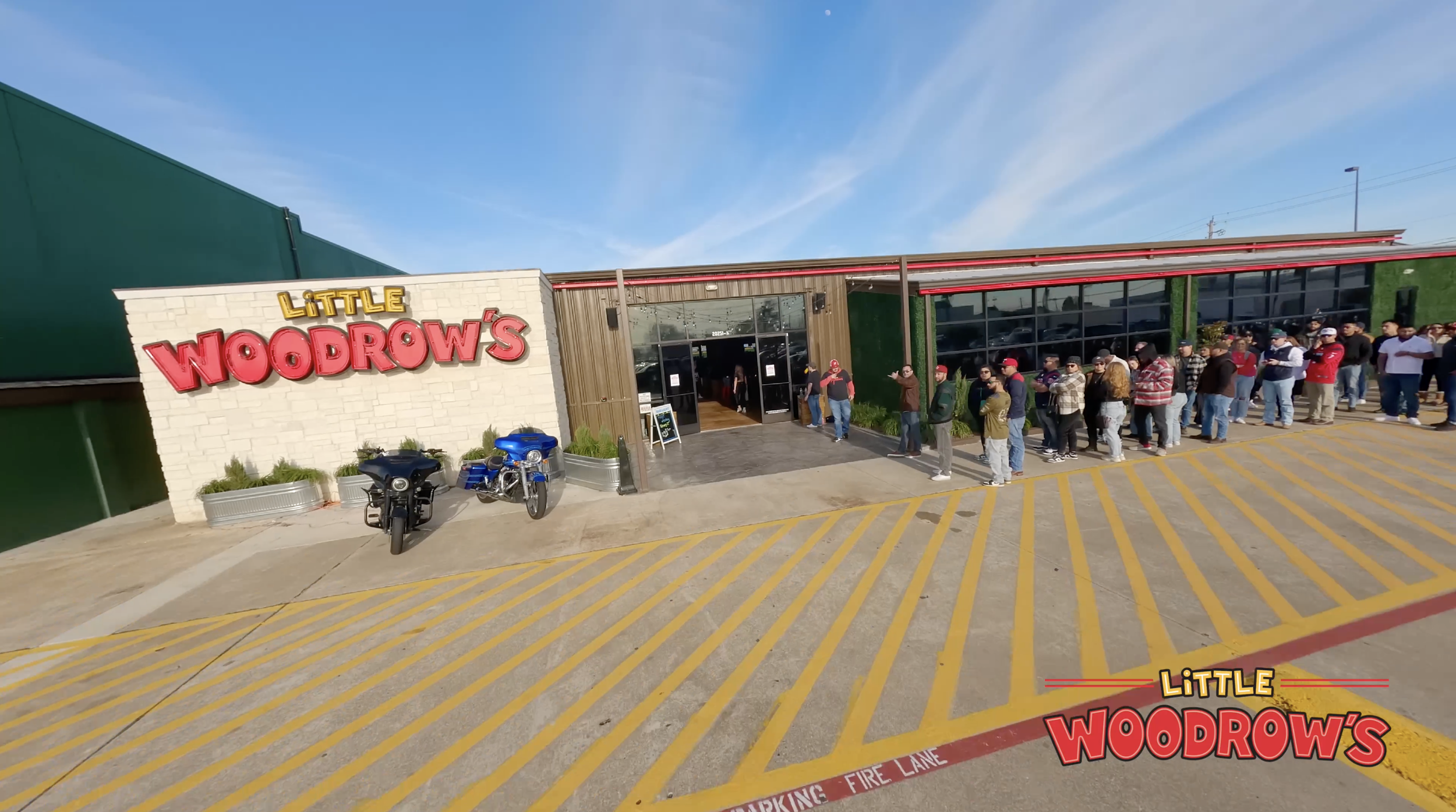
FPV drone video gives hospitality brands a more immersive way to showcase a space.
FPV drone video has become one of the most effective ways for restaurants, bars, and venues to showcase their space in a more immersive way. Unlike traditional photo or video coverage, FPV footage moves viewers through the property and helps them experience the layout, atmosphere, and energy from a first-person perspective.
For hospitality brands, that matters. A static image can show what a place looks like. A standard video can show a few angles. But an FPV flythrough can make people feel what it is like to walk in, move through the space, see the bar, pass the seating areas, and understand how the venue comes together.
That does not mean FPV is right for every property or every marketing goal. The value comes from using it in the right situations and pairing it with the right creative approach.
What is FPV drone video?
FPV stands for first-person view. In commercial drone work, FPV allows a pilot to fly dynamic paths that create fast, fluid, immersive footage through and around a property.
For restaurants, bars, and venues, that means FPV can do something standard video often cannot: show the flow of the space in one continuous, memorable sequence.
When FPV works best for restaurants, bars, and venues
1. When the layout is part of the appeal
Some hospitality spaces have a lot to show, including dramatic entrances, indoor and outdoor seating, multiple bars, patios, lounge areas, stages, rooftop sections, courtyards, games, or other built-in features. FPV works especially well when the venue has a layout that feels worth exploring.
A flythrough can connect those spaces in a way that makes the property feel larger, more dynamic, and easier to understand.
2. When atmosphere matters as much as the product
For many venues, people are not just buying food or drinks. They are choosing the vibe, the energy, the type of crowd, and the kind of experience they want. FPV is strong when the environment itself is part of the sale.
If the lighting, design, motion, and overall feel are important, immersive drone video can communicate that faster than a slideshow of photos.
3. When you want a strong social media asset
Hospitality businesses constantly need content for Instagram, Facebook, TikTok, YouTube Shorts, ads, and website banners. FPV footage naturally fits short-form and visual-first platforms because it is movement-driven and scroll-stopping.
A clean flythrough can become a social reel, a website hero video, a paid ad creative, a launch teaser, an event recap opener, or a pinned post for brand positioning.
4. When the venue hosts events or private bookings
If a property wants to attract private parties, brand activations, sports watch events, live music crowds, corporate gatherings, or special promotions, FPV can help show how the venue functions for groups, not just day-to-day traffic.
That is useful because event buyers often want to visualize movement, space, access, and guest flow before they ever inquire.


When FPV is not the best choice
FPV is powerful, but it is not automatic. It is usually a weaker fit when the space is visually plain, extremely cramped, too dark, too cluttered, or does not allow a clean and meaningful flight path.
It can also be the wrong choice when the brand only needs a few simple exterior shots or when the video is being treated like a gimmick instead of part of a clear marketing goal.
In those cases, traditional drone video, ground video, photography, or a mixed-content package may be the better answer.
What FPV shows better than traditional hospitality video?
Spatial flow
FPV helps viewers understand how different areas connect. That is especially useful for larger restaurants, bars, breweries, entertainment venues, and multi-zone properties.
Energy and movement
A flythrough creates momentum. It feels more alive than a series of static clips and can better match the pace of hospitality marketing.
Memorable perspective
A strong FPV sequence is easier to remember because it gives people a perspective they do not normally see.
Efficient storytelling
Instead of cutting between ten different shots, one clean FPV run can tell the story in a faster, more immersive way.
“FPV works best when it is planned like a marketing asset, not treated like a gimmick.”
Best use cases for hospitality FPV content
New location openings
Use FPV to introduce the property and help people understand the space quickly.
Renovations or remodels
Show off upgrades, refreshed branding, new layouts, or expanded seating areas.
Event promotion
Build anticipation for special events, live music, brand nights, or seasonal activations.
Private event sales
Help planners and group buyers visualize what the venue can handle.
Website hero content
Use FPV footage to immediately give website visitors a high-impact visual experience.
Social media campaigns
Turn the flythrough into reels, shorts, clips, teasers, and paid ad creative.
What makes a hospitality FPV video actually good
A successful FPV video is not just about flying fast. The strongest ones usually have a clean route through the property, intentional pacing, good lighting, minimal distractions, smooth transitions, and a clear start and finish.
They also benefit from strong sound design or music pairing, editing that supports the venue’s brand identity, and a space that is staged well before the shoot.
A sloppy flythrough can feel chaotic. A well-planned one can feel premium.
What venues should prepare before the shoot
If a restaurant, bar, or venue wants the best result, preparation matters. Before an FPV shoot, it helps to have the space cleaned and staged, tables reset neatly, clutter removed, lighting checked, and the strongest path through the property planned in advance.
If staff will appear on camera, they should be coordinated ahead of time. Screens should display branded or relevant content, and the team should know how the footage will be used after the shoot.
Good FPV is not just about flight skill. It is also about making the environment ready to be showcased.
Should restaurants and bars use FPV indoors, outdoors, or both?
Usually both. Indoor FPV is useful for bar areas, dining rooms, entrances, private event rooms, and entertainment sections. Outdoor FPV is useful for patios, rooftops, beer gardens, exterior branding, parking approach, and crowd energy during events.
The best finished pieces often combine both, so the viewer gets a complete sense of the property.
Final thoughts
FPV drone video works best for restaurants, bars, and venues when the space is visually interesting, the experience matters, and the content has a clear marketing purpose.
It is not just a flashy trend. Used correctly, it can help hospitality brands show atmosphere, improve visual storytelling, and create memorable content for websites, social media, advertising, and event promotion.
For the right venue, a well-executed FPV flythrough can communicate more in a few seconds than a long gallery of static images ever could.
Need FPV drone video for your restaurant, bar, or venue?
iSky Films provides nationwide commercial drone services with headquarters in Arizona, including aerial photo, video, FPV, and drone data capture for hospitality, real estate, construction, automotive, and enterprise clients across the United States.
If your venue needs immersive visual content that shows more than just the surface, FPV may be one of the strongest creative tools available.